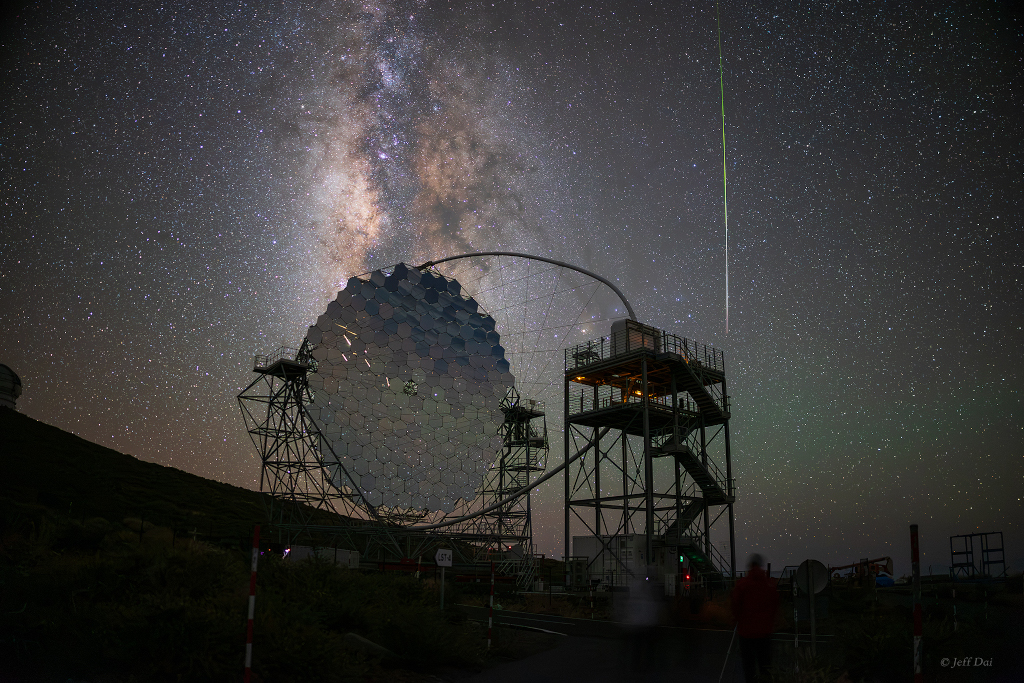
APOD Science APOD APOD: 2026 September 26 –… Today’s APOD Archive Submissions Index Search Calendar RSS Education About Discuss APOD Astronomy Picture of the Day Discover the cosmos! Each day a different image or photograph of our fascinating universe is featured, along with a brief explanation written by a professional astronomer.
The Republic of San Marino became the 76th signatory to the Artemis Accords during a ceremony in the city of Rimini on Friday with NASA and U.S. Department of State officials present.
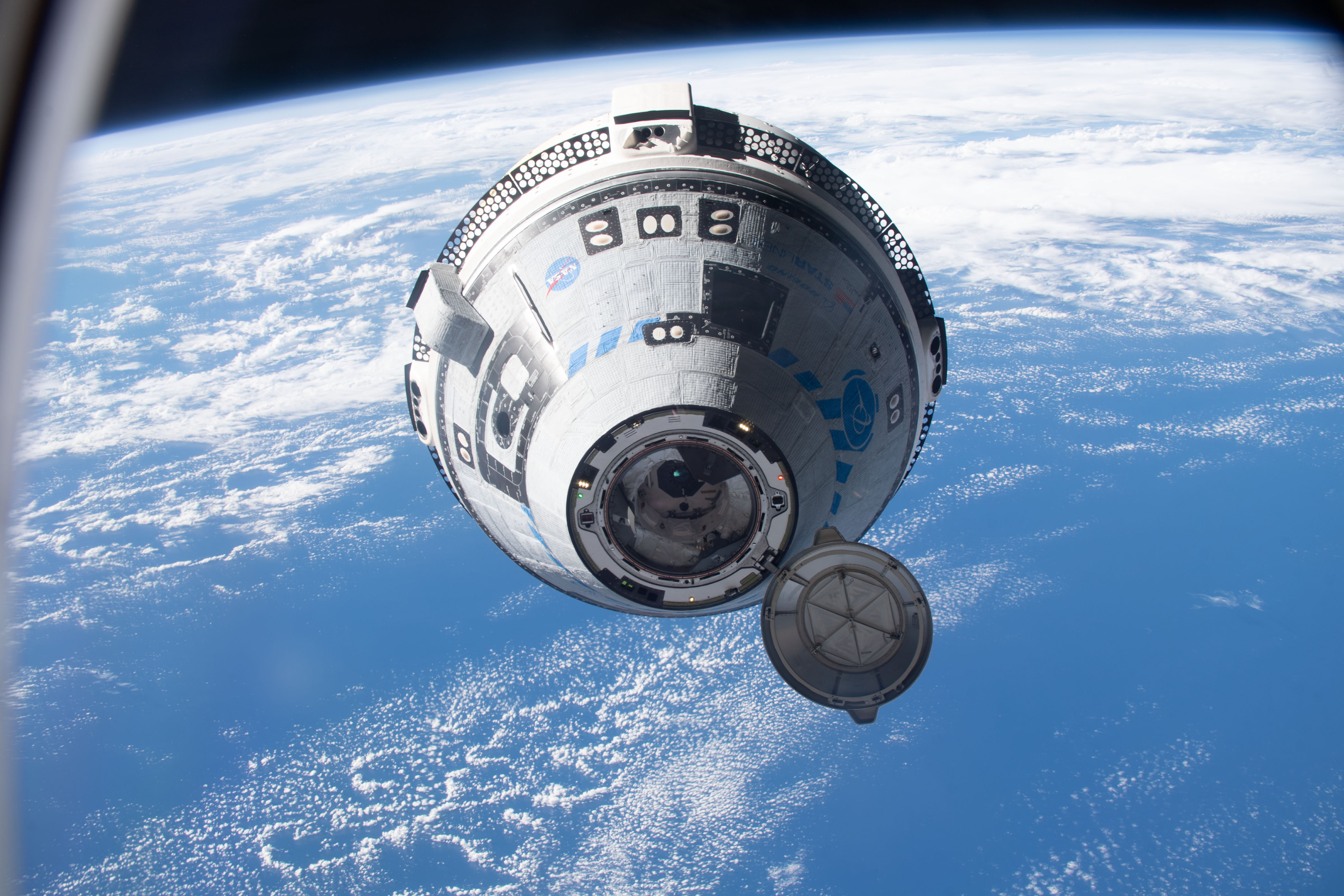
Spacecraft propulsion traditionally relies on volatile fuels and separate, bulky systems for different types of maneuvering in space. NASA is working to change that paradigm.
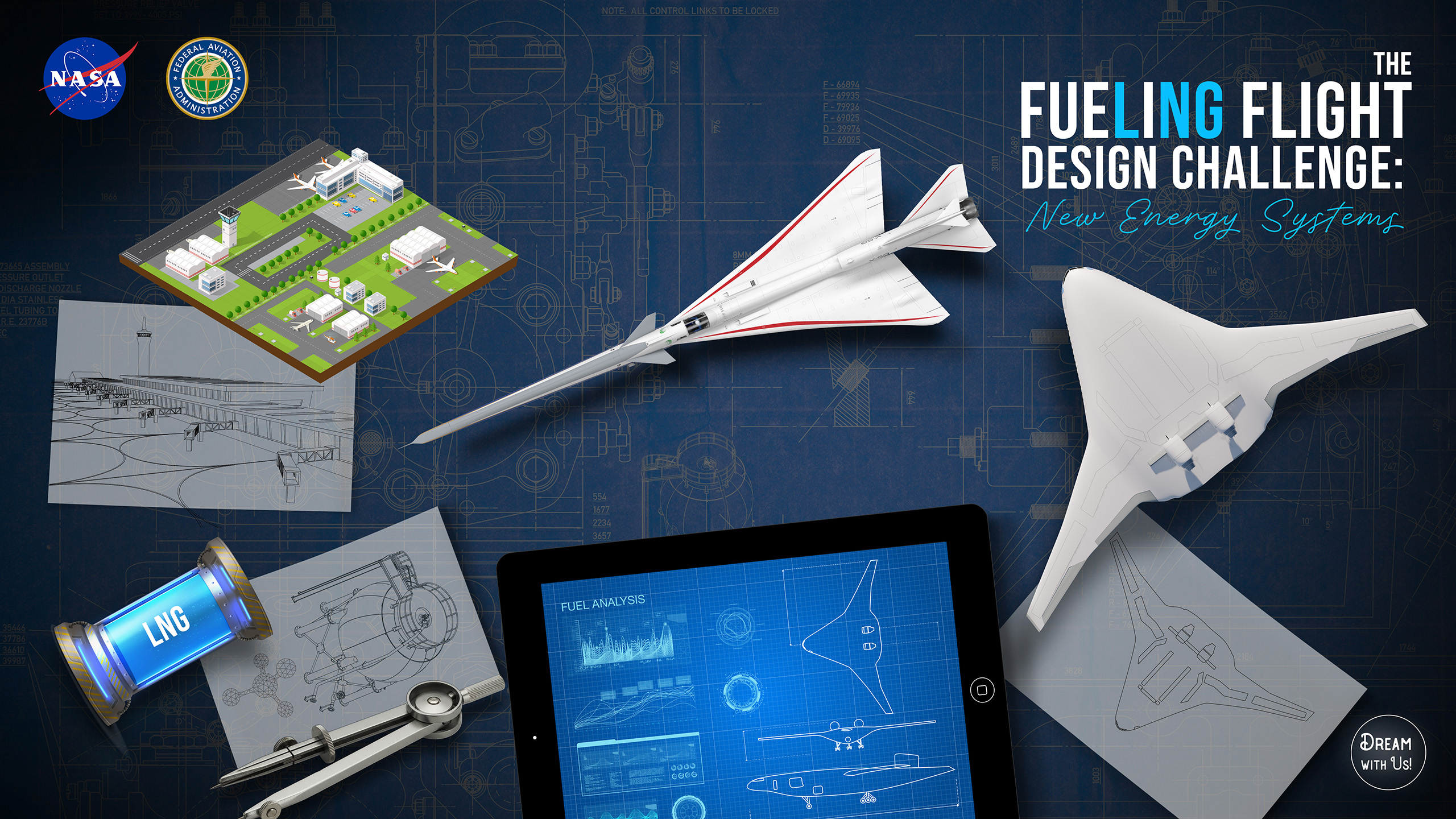
2026-2027 DWU: Middle School Design Challenge Overview The 2026-2027 challenge theme is, “Fueling Flight Design Challenge: New Energy Systems.” As more and more aircraft are a part of the US’ National Airspace System (NAS), NASA and partners at the FAA, at universities, and in the aviation industry are searching for ways to increase safety, make
2026-2027 DWU: High School Engineering Challenge Challenge Materials Overview The 2026-2027 challenge theme is, “Fueling Flight Design Challenge: New Energy Systems.” As more and more aircraft are a part of the US’ National Airspace System (NAS), NASA and partners at the FAA, at universities, and in the aviation industry are searching for ways to increase...
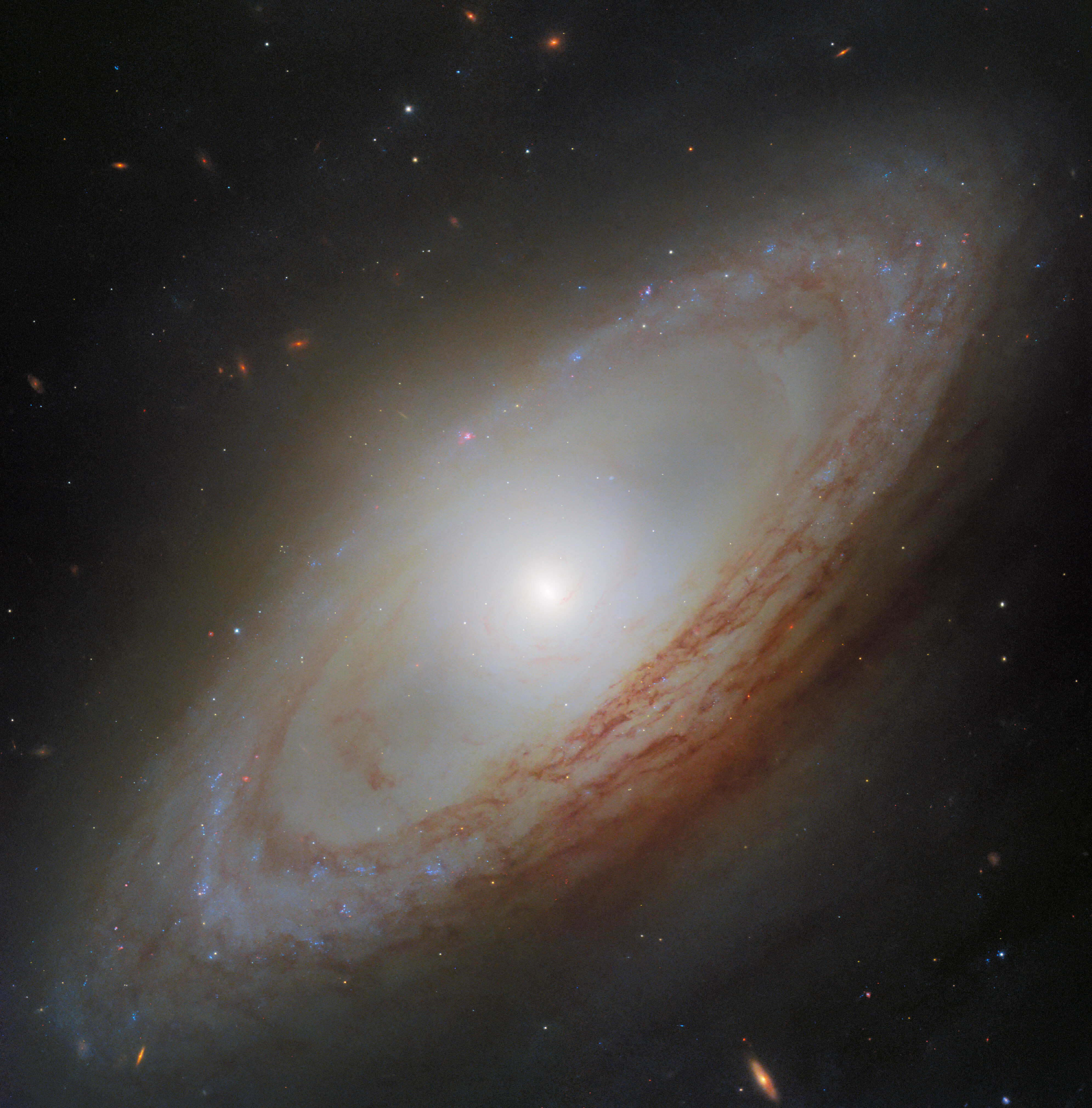
A chaotic secret hides within this seemingly serene image of spiral galaxy NGC 4698 taken by NASA’s Hubble Space Telescope and released on Sept. 18, 2026.
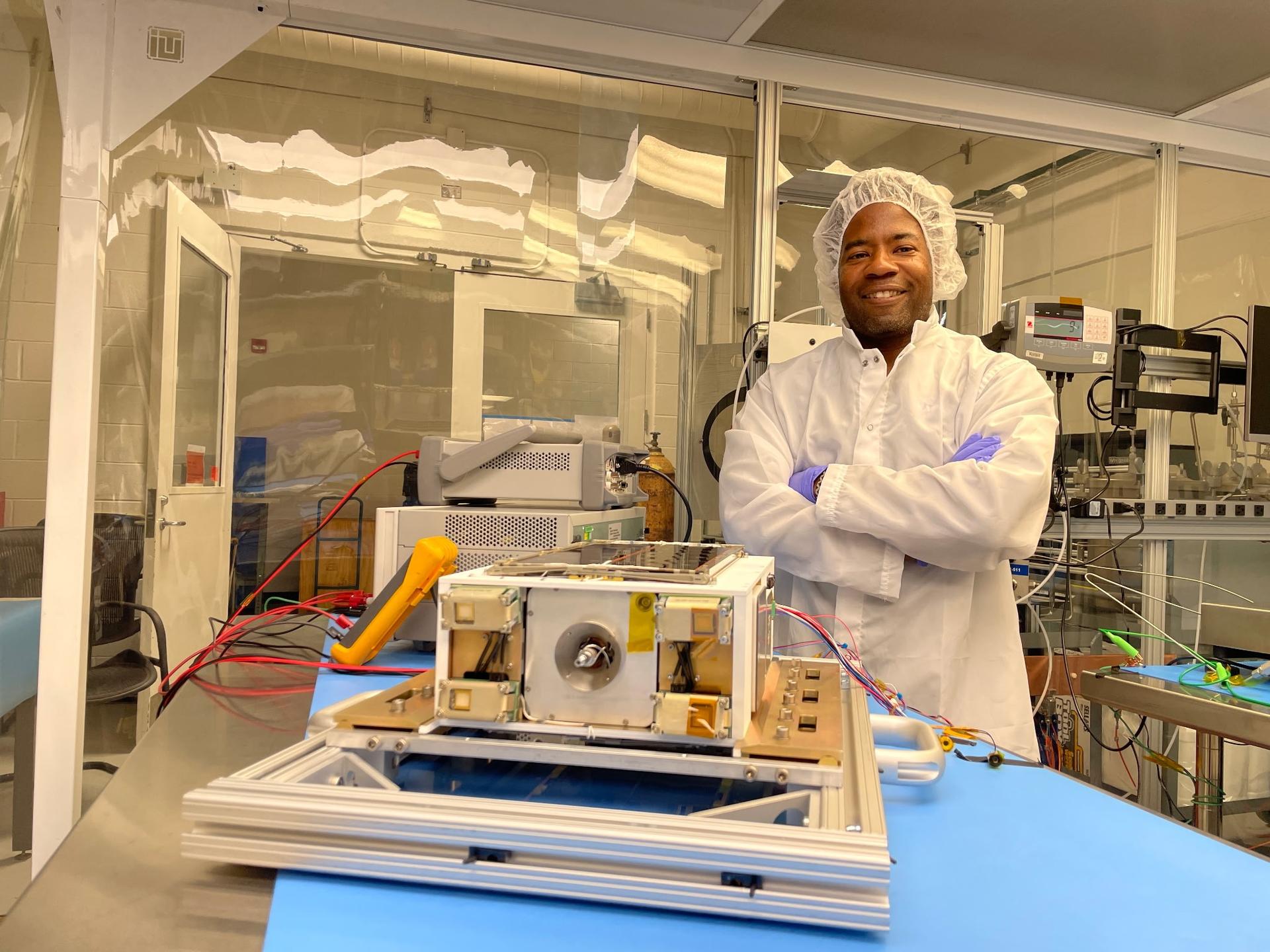
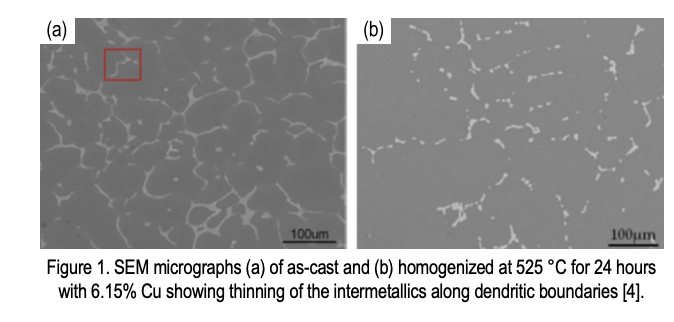
For more information, contact Donald S. Parker, Kennedy Space Center, donald.s.parker@nasa.gov Download the PDF version Improper casting and forging processes in the manufacture of aluminum alloy 2219 can lead to microstructural defects that result in a sub-optimal response to anodic surface treatments and an increase in corrosion susceptibility.
APOD Science APOD APOD: 2026 September 25 –… Today’s APOD Archive Submissions Index Search Calendar RSS Education About Discuss APOD Astronomy Picture of the Day Discover the cosmos! Each day a different image or photograph of our fascinating universe is featured, along with a brief explanation written by a professional astronomer.
You currently sit at the black hole’s photon sphere, where light can travel endlessly in a circle due to the star’s great gravitational pull. The apparent position of the photon sphere is always easy to spot – it is the apparent dividing line between black hole and sky.
As before, from this orientation, the black hole’s enormous gravity bends light to make two discernible images of the constellation Orion. You now descend to the photon sphere.