Upcoming launches, sky events, and mission milestones in one clean calendar.
Launch data comes from The Space Devs. Selected sky events may be curated by Astroboat.
Last updated
LaunchUpcoming
The Space Devs
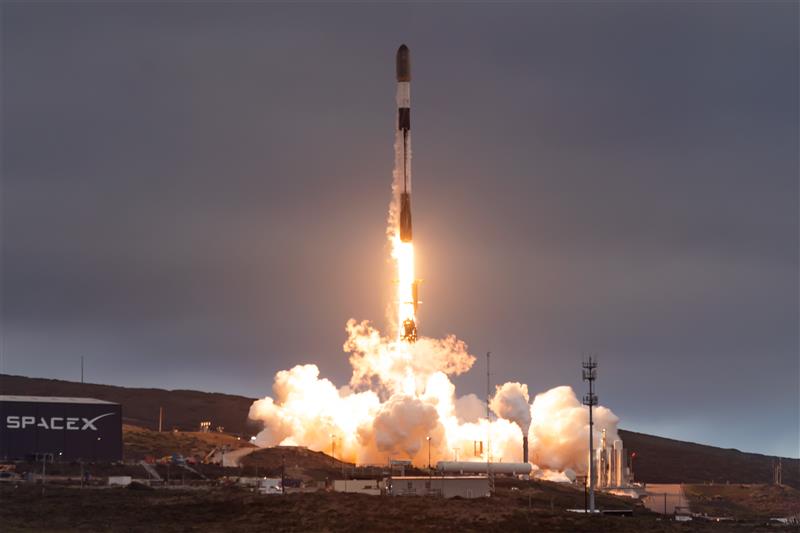
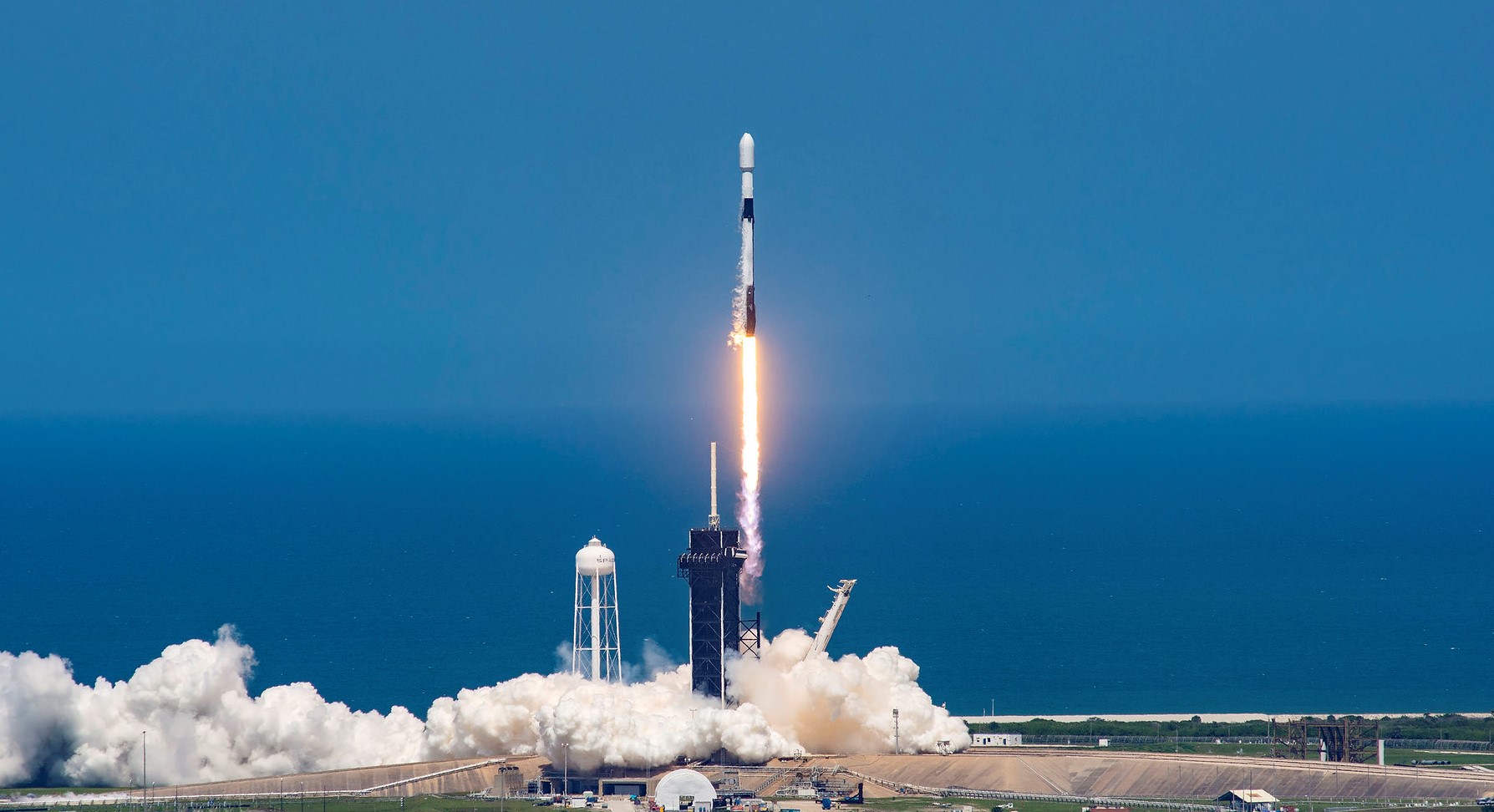
Falcon 9 Block 5 | USSF-385
SpaceX
A classified mission for the United States Space Force. It is possibly a batch of classified LEO satellites based on SpaceX’s Starshield satellite bus, based on locations of rocket stage drop zones being exact fits with previous Starlink Group 15 launches.
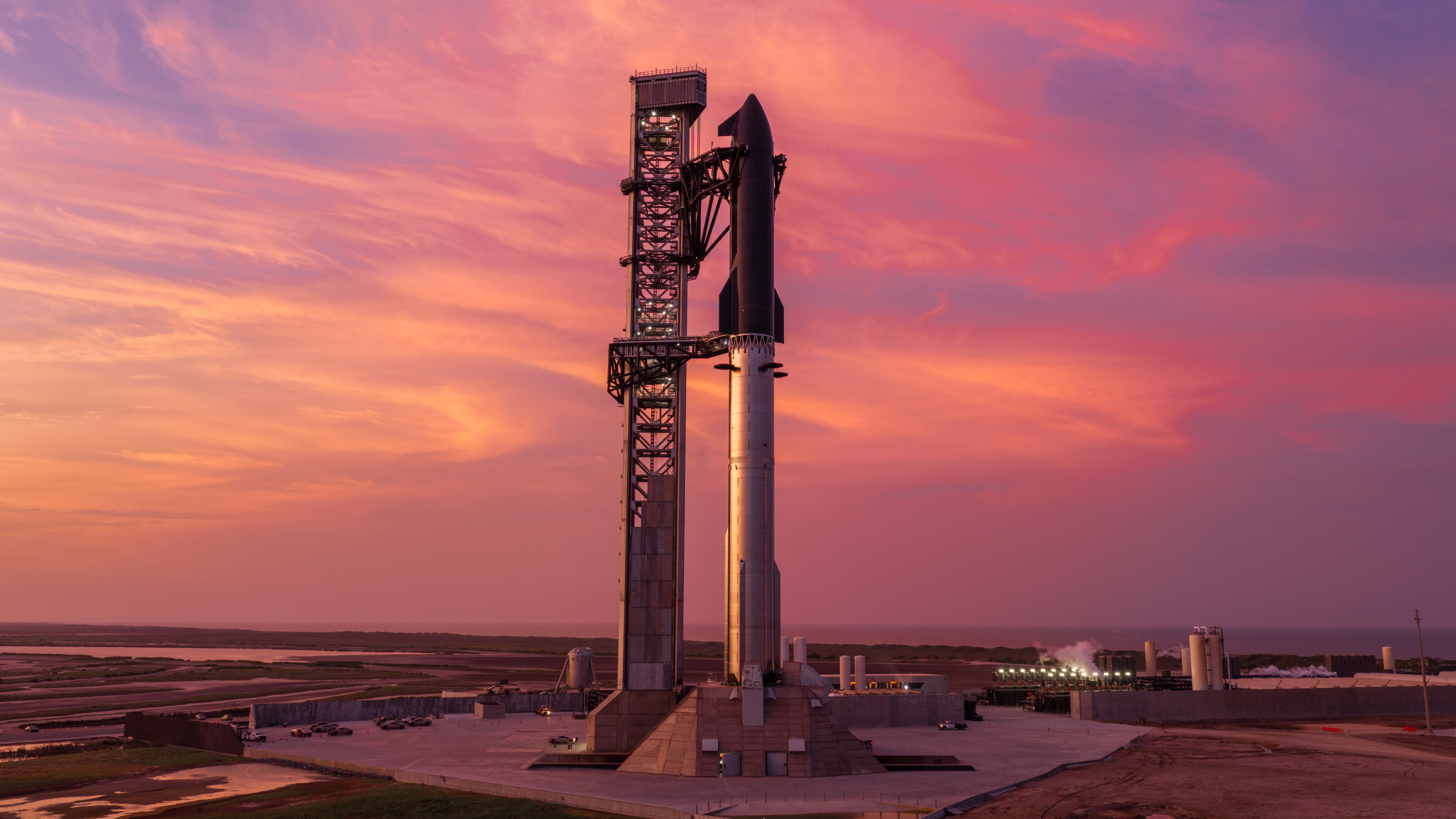
Starship | Starlink Group 31-1 (Starship Flight 14)
SpaceX
14th test flight of the two-stage Starship launch vehicle. 3rd flight of Starship V3 and the first Starship flight to deploy satellites (a group of Starlink satellites known as Starlink Group 31-1) into stable Low Earth Orbit.
The ship is expected to fly at an altitude approximately 275 km above Earth and complete approximately 6 orbits around the planet for nearly 10 hours, with splashdown targeted in the Pacific Ocean west of Chile.
The booster’s primary test objective on Flight 14 will be executing a successful launch, ascent, stage separation, boostback burn, and landing burn at an offshore landing point in the Gulf.
Starship will deliver 26 Starlink V3 satellites to orbit for the first time, which aim to greatly expand the network's capacity and user speeds. Each Starlink V3 satellite will add 1 Tbps of capacity to the constellation.
International Space Station Operations Update Media Teleconference
Kennedy Space Center, Florida, USA
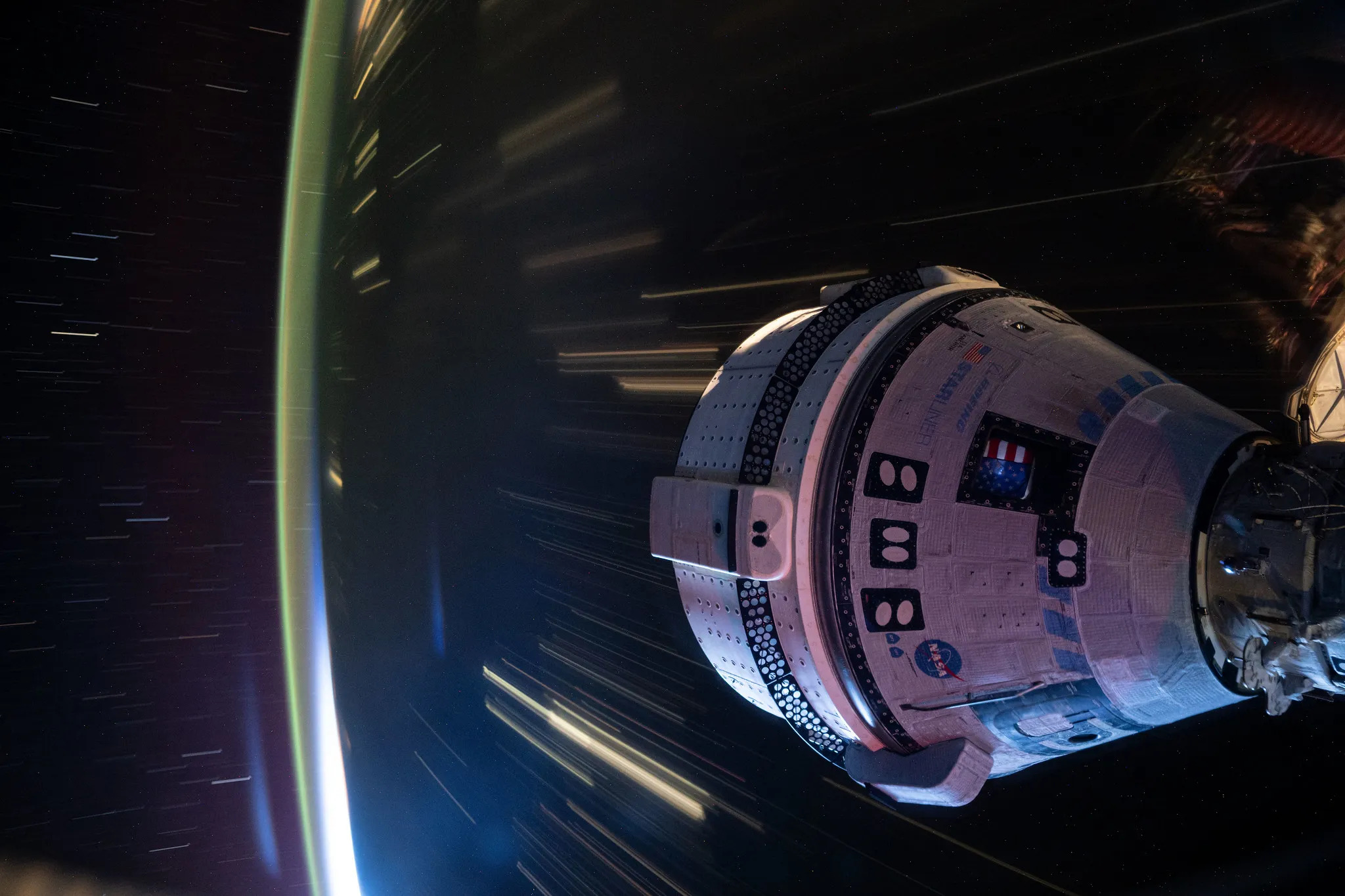
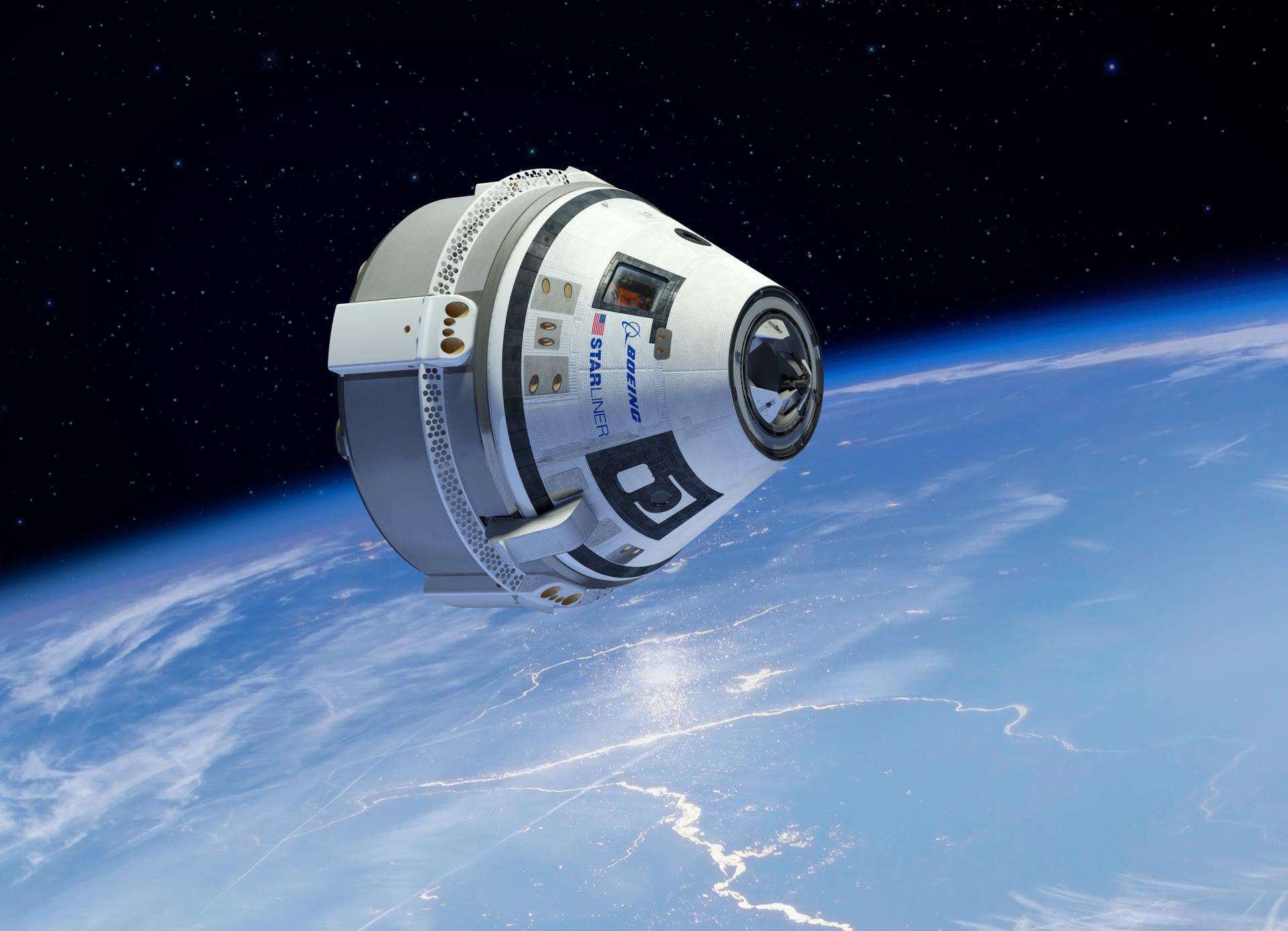
During a news conference at 3 p.m. EDT on Monday, Sept. 28, NASA and Boeing leadership will discuss Starliner’s development and plans for regular crew flights to and from the International Space Station.
The briefing participants include:
* NASA Administrator Jared Isaacman
* Dana Weigel, manager, NASA’s Low Earth Orbit Program
* Woody Hoburg, NASA astronaut
* John Mulholland, vice president and program manager, Boeing Commercial Crew
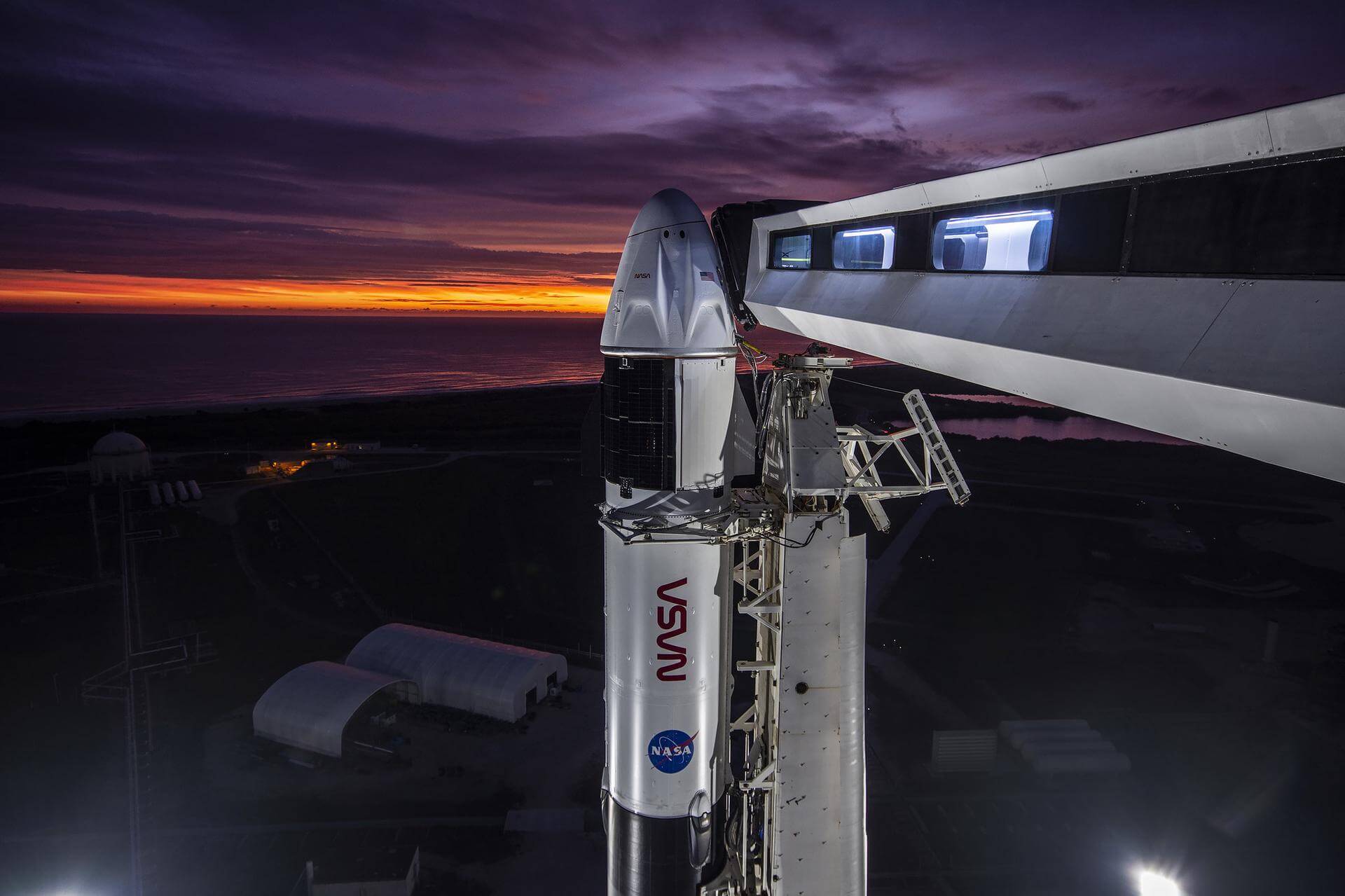
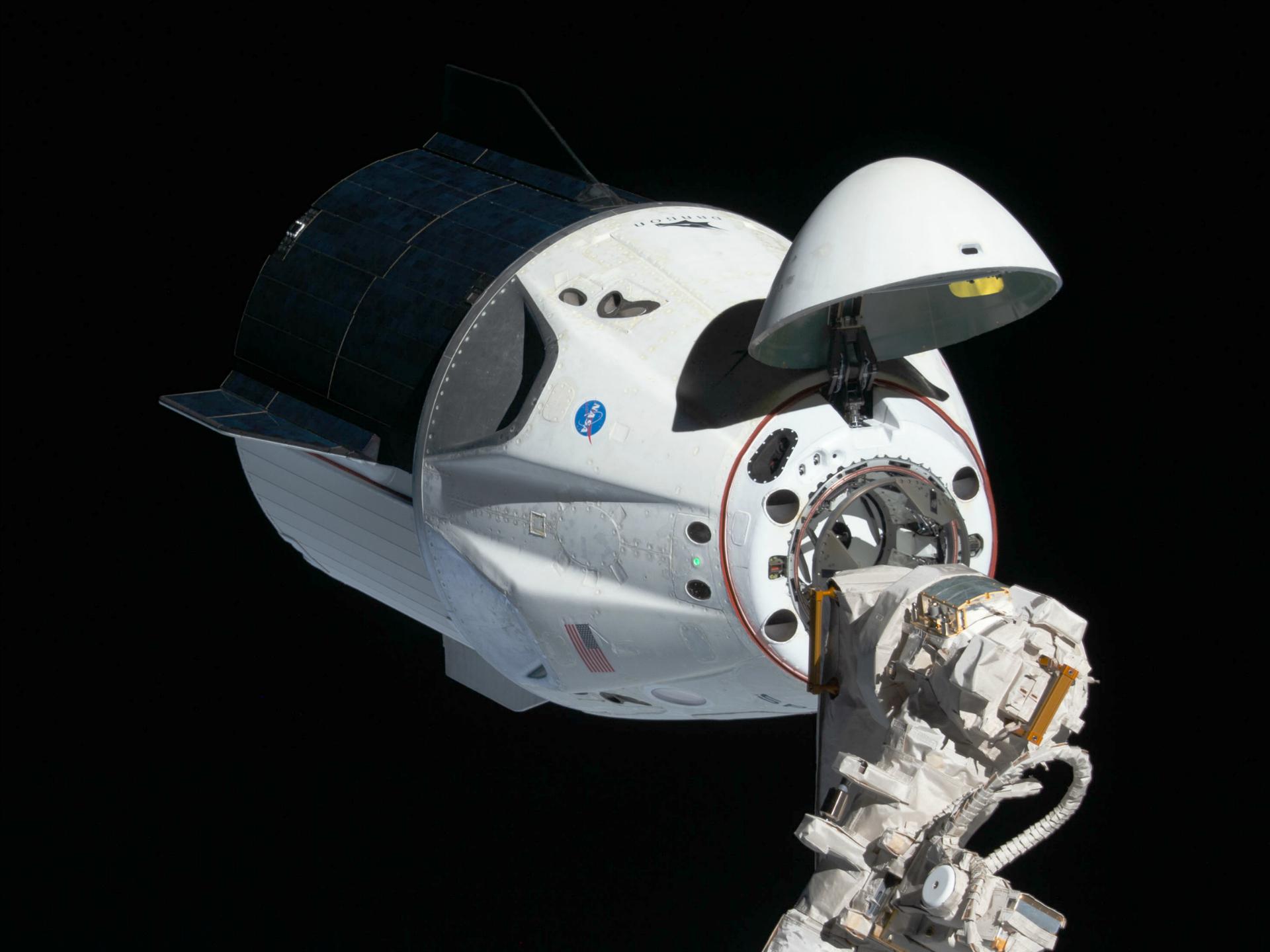
SpaceX Crew-13 is the thirteenth crewed operational flight of a Crew Dragon spacecraft to the International Space Station as part of NASA's Commercial Crew Program.
Falcon 9 Block 5 | SDA Tranche 1 Transport Layer A
SpaceX
Tranche 1 Transport Layer A is one of six missions by the United States Space Force Space Development Agency (SDA) for the Proliferated Warfighter Space Architecture (PWSA) Tranche 1 Transport Layer constellation, which will provide assured, resilient, low-latency military data and connectivity worldwide to the full range of warfighter platforms from Low Earth Orbit satellites.
The constellation will be interconnected with Optical Inter-Satellite Links (OISLs) which have significantly increased performance over existing radio frequency crosslinks. It is expected to operate over Ka band, have stereo coverage and be dynamically networked for simpler hand-offs, greater bandwidth and fault tolerance.
This launch carries 21 satellites manufactured by Northrop Grumman.
NeonSat-2 to 6 are part of the South Korean government's Earth observation micro-satellite constellation NeonSat (New-space Earth Observation Satellite). The NeonSat constellation is the first satellite system developed by the government using a mass-production approach for precise monitoring of the Korean Peninsula.
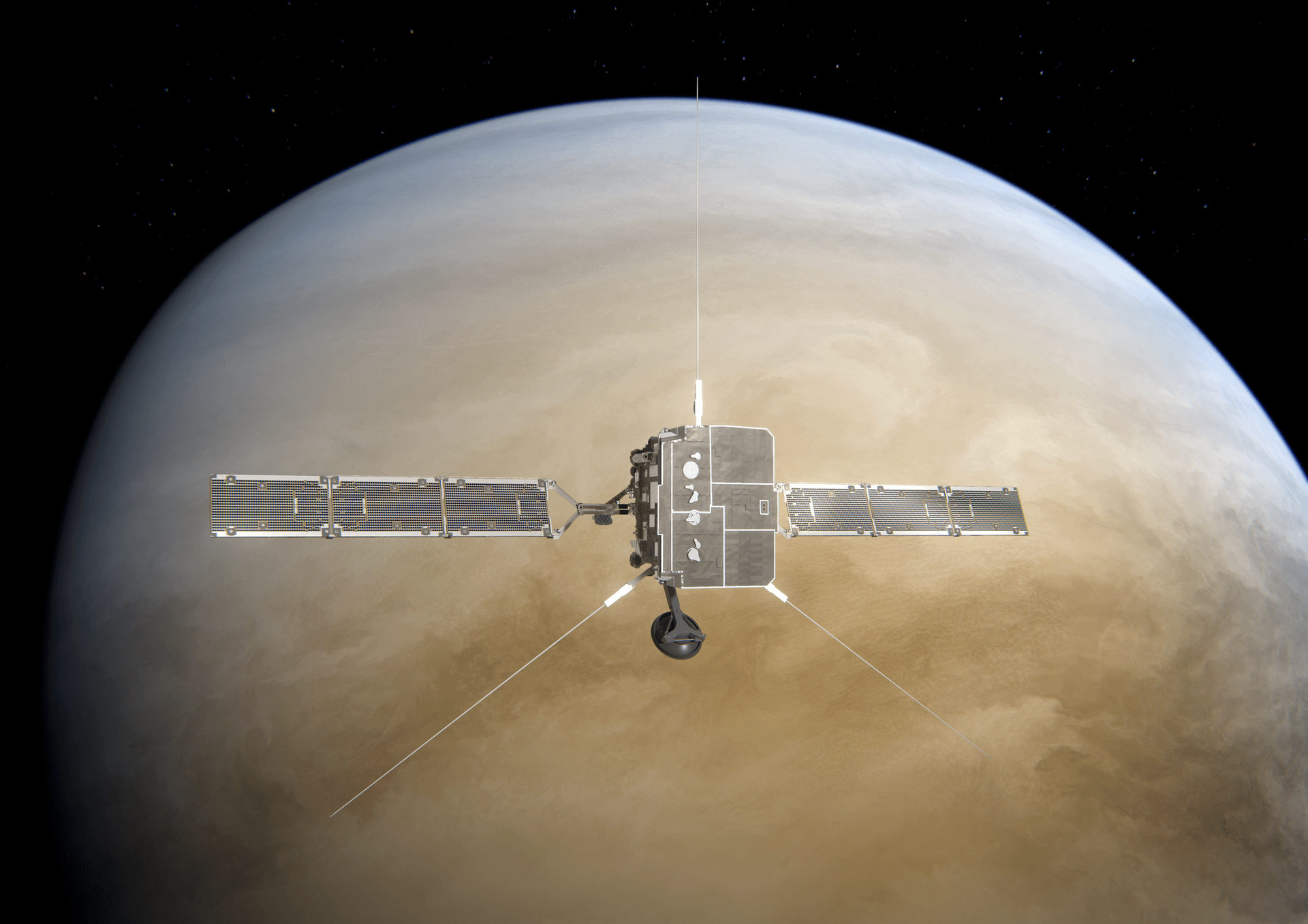
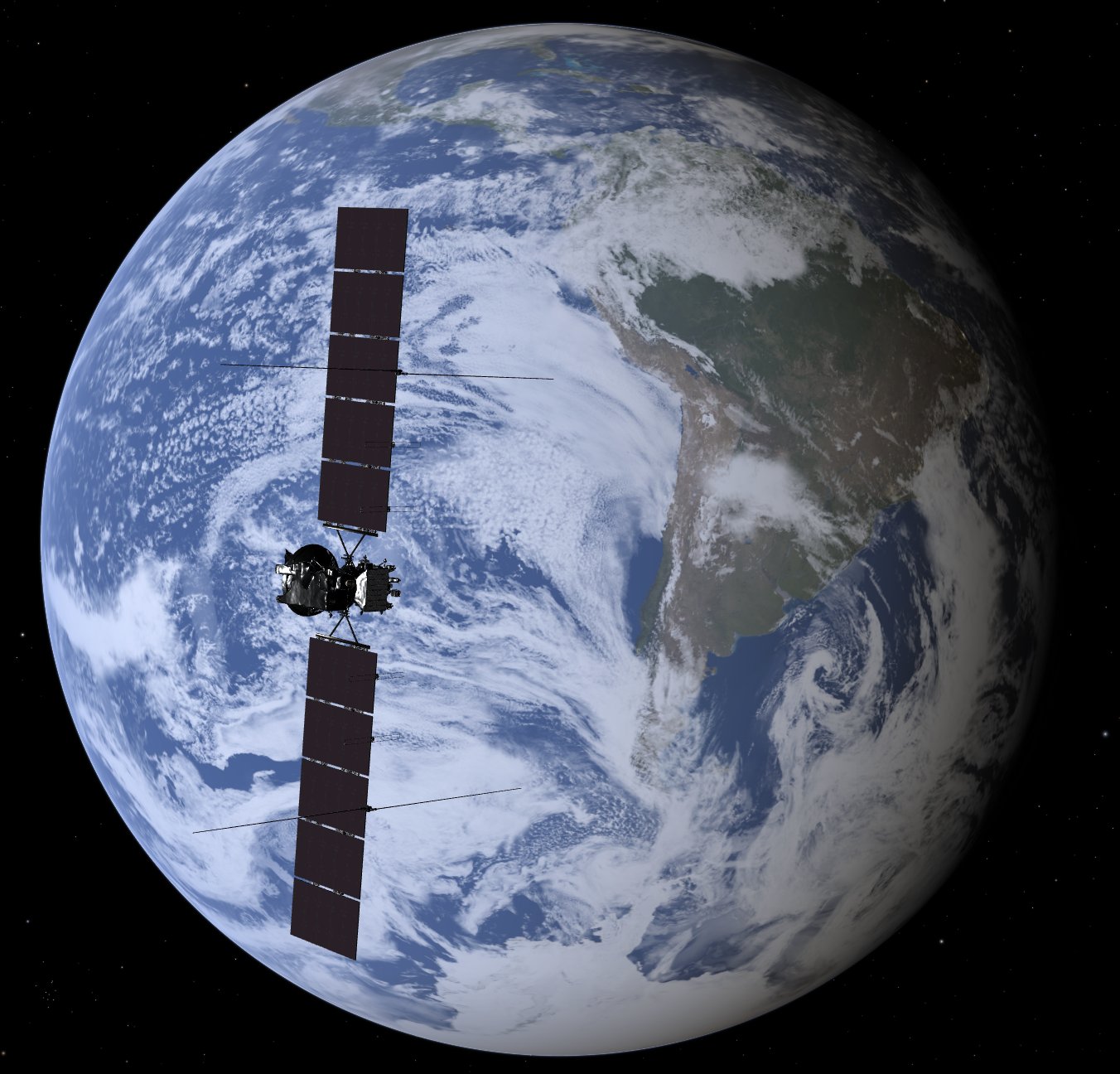
Solar Orbiter, a partnership between ESA and NASA, will perform a gravity assist maneuver with Venus on December 24, 2026. Throughout its mission it also makes repeated gravity assist flybys of Venus to get closer to the Sun, and to change its orbital inclination, boosting it out of the ecliptic plane, to get the best – and first – views of the Sun’s poles.
Following its deorbit burn, the Boeing CST-100 Starliner will reenter the Earth's atmosphere and land at the White Sands Missile Range using its parachutes.
The Boeing CST-100 Starliner will undock from the International Space Station and conduct a deorbit burn as part of its first operational mission.
Following the deorbit burn the capsule will renter the Earth's atmosphere and land at the 'White Sands Missile Range' using its parachutes.